

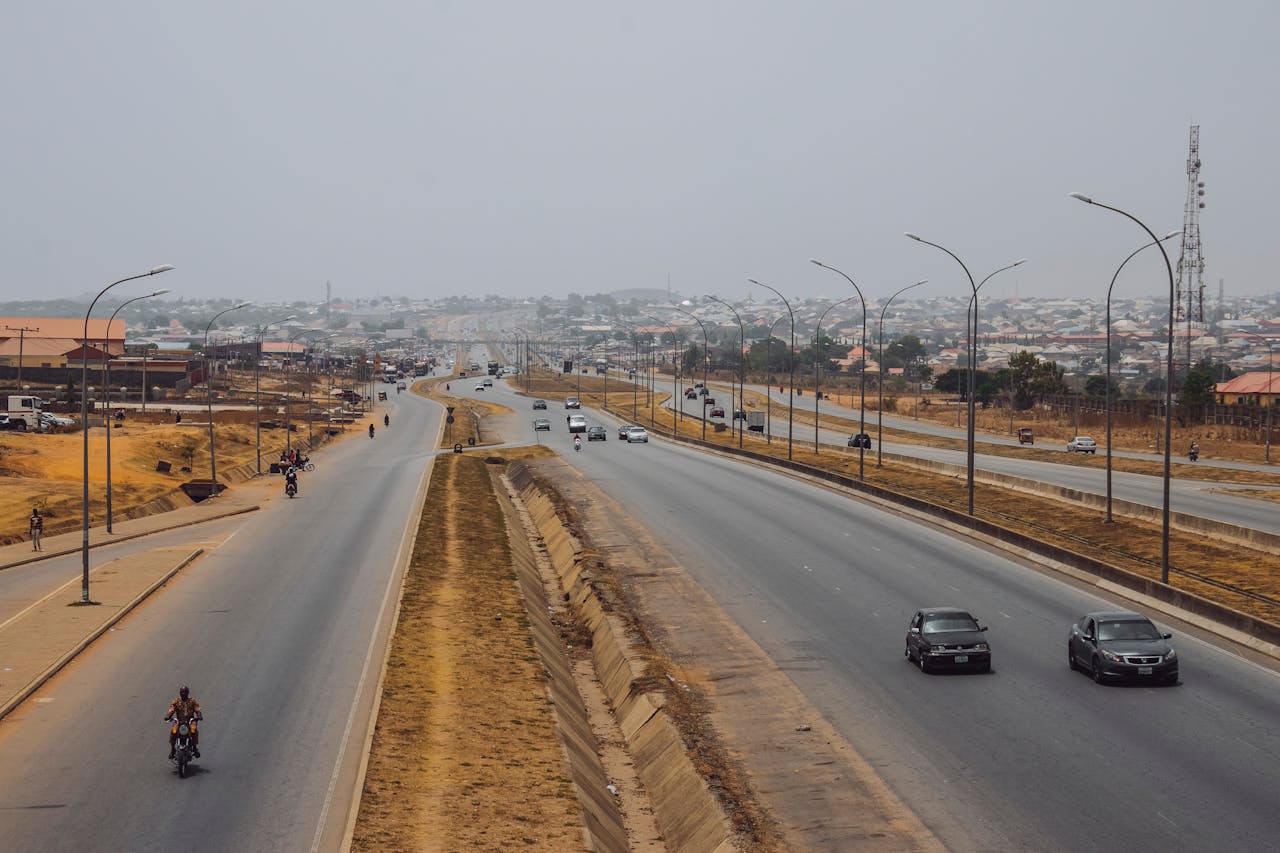
Abuja has a reputation for being expensive and for the premium Phase 1 districts, that reputation is deserved. But a significant portion of the city’s 4+ million residents do not live in Maitama or Asokoro.
They live in satellite towns, developing suburbs and outer estates where rent is a fraction of the Phase 1 prices and where life is genuinely liveable.
Here are the cheapest places to live in Abuja in 2026, with verified rent ranges and an honest assessment of trade-offs.
ONE IMPORTANT NOTE BEFORE THE LIST
Abuja landlords almost universally charge rent annually not monthly. The figures below are annual totals.
When budgeting, factor in: the full rent upfront, a caution deposit (usually equivalent to one month’s rent), agent fees (typically 10% of annual rent) and service charges in gated estates (₦200K–₦1M+ per year in some estates).
These costs can significantly increase your initial outlay beyond the headline rent figure.
1. NYANYA — Cheapest Overall
Nyanya is Abuja’s most affordable area with any reasonable proximity to the city centre. It sits on the Abuja-Nasarawa border within AMAC, and is among the most densely populated parts of the FCT.
2026 rent ranges:
Single room: ₦150,000–₦200,000 per year
Self-contained: ₦250,000–₦500,000 per year
2-bedroom flat: ₦500,000–₦1,200,000 per year
Trade-offs: Heavy traffic congestion, particularly at peak hours on the Nyanya-Abuja road. Flooding in some low-lying areas during rainy season. Infrastructure more variable than planned Abuja districts.
Best for: Budget-constrained singles, couples, or those prioritising the lowest possible rent above other factors.
2. KUBWA — Best Affordable Area with Full Urban Amenities
Kubwa is the largest satellite town in the FCT, sitting within Bwari Area Council about 30–45 minutes from the CBD.
It is more than just an affordable suburb, it functions as a city in its own right, with major markets, banks, supermarkets, schools, hospitals, and its own commercial activity.
2026 rent ranges:
Self-contained: ₦300,000–₦600,000 per year
1-bedroom flat: ₦400,000–₦800,000 per year
2-bedroom flat: ₦700,000–₦1,500,000 per year
Trade-offs: Commute to Phase 1 is long during peak hours — the Kubwa Expressway gets congested in the mornings. Less polished infrastructure than Phase 2 estates.
Best for: Families, civil servants, young professionals who want affordable space and do not need to commute daily to Phase 1.
3. KARSANA — Best for New Estate Living on a Budget
Karsana sits between Gwarinpa and Kubwa and has seen significant estate development in recent years — new-build apartments in gated communities at some of the most competitive prices in the FCT.
Several estates (Amen Estate, Pentagon Estate) offer modern finishes at budget-friendly rates while infrastructure is still developing.
2026 rent ranges:
Self-contained: ₦350,000–₦700,000 per year
2-bedroom flat: ₦600,000–₦1,200,000 per year
Trade-offs: Infrastructure still developing in some parts. Not all roads are paved to full standard. Commute to Phase 1 is long.
Best for: First-time renters who want new estate quality at affordable prices. Investors — strong appreciation potential.
4. LUGBE — Best for Airport Road Accessibility
Lugbe runs along the Airport Road corridor and is approximately 17 minutes from the CBD and 13 minutes from Nnamdi Azikiwe International Airport.
It is one of the most popular affordable areas among young professionals and NYSC corps members. Active residential development, markets, schools, and amenities are well established.
2026 rent ranges:
Self-contained: ₦600,000–₦1,200,000 per year
2-bedroom flat: ₦900,000–₦2,000,000 per year
Trade-offs: Rush-hour traffic on the Airport Road can be heavy. The area has grown quickly and unevenly — inspect specific estates carefully.
Best for: Airport staff, civil servants working in the southern Abuja axis, budget families who need Airport Road access.
5. GWAGWALADA — Lowest Prices in the FCT
Gwagwalada offers some of the absolute lowest rents anywhere in the FCT.
Located southwest of Abuja proper in Gwagwalada Area Council, it has its own urban centre — with the University of Abuja main campus, Gwagwalada General Hospital, markets, and commercial activity.
2026 rent ranges:
Single room: ₦150,000–₦250,000 per year
2-bedroom flat: ₦300,000–₦600,000 per year
Trade-offs: Distance from central Abuja is significant — commuting to Phase 1 daily is not practical for most people. Less developed urban infrastructure than AMAC areas.
Best for: University of Abuja students, staff of institutions based in Gwagwalada, those who work locally and do not need frequent central Abuja access.
6. DAWAKI — Best Growing Suburb on the Gwarinpa Axis
Dawaki sits on the Kubwa/Gwarinpa corridor and is developing rapidly. A mix of estate housing and standalone developments.
Prices remain reasonable while infrastructure improves steadily.
2026 rent ranges:
Self-contained: ₦400,000–₦800,000 per year
2-bedroom flat: ₦800,000–₦1,800,000 per year
Trade-offs: Still developing — some roads and services lag behind the pace of housing construction. Commute to Phase 1 is 30–50 minutes.
Best for: Budget-conscious renters who want proximity to Gwarinpa at lower prices. Investors.
7. LOKOGOMA — Best Affordable Phase 3 Estate Option
Lokogoma is within the planned city (Phase 3) but offers genuinely affordable rents relative to more established Phase 3 areas like Gwarinpa.
Modern estate developments, improving roads, and growing amenities make it a serious option.
2026 rent ranges:
2-bedroom flat: ₦700,000–₦1,500,000 per year
Trade-offs: Infrastructure still catching up in some parts. Commute to Phase 1 is 30–45 minutes.
Best for: Families and professionals seeking newer Phase 3 estate quality at affordable prices.
Practical tips for renting in Abuja’s affordable areas
Visit before committing: Always inspect the specific property, not just the estate entrance. Quality varies enormously within the same estate.
Check the road during rains: Some streets flood severely in rainy season. Visit in June–September if you can.
Confirm service charges upfront: Even in affordable areas, some estates charge ₦200K–₦500K per year in service charges on top of rent. Always ask.
Factor in commute cost: Fuel or transport costs from Kubwa, Lugbe, or Gwagwalada to Phase 1 add up to ₦50,000–₦150,000 per month depending on vehicle and frequency. Include this in your total cost calculation.
Negotiate: Landlords in these areas expect negotiation. Paying two years upfront often produces 5–15% discount on asking price.




0 Comments