

Nnamdi Azikiwe International Airport (IATA: ABV) is Nigeria’s second busiest airport and the primary gateway to the country’s capital.
Named after Nigeria’s first president, Dr. Nnamdi Azikiwe (1904–1996), it handles both domestic and international traffic and has undergone significant upgrades in recent years including a new international terminal inaugurated in 2023.
THE BASICS
- Official name: Nnamdi Azikiwe International Airport
- IATA code: ABV | ICAO code: DNAA
- Location: approximately 20km southwest of Abuja’s city centre, in the Lugbe corridor along Airport Road
- Operator: Federal Airports Authority of Nigeria (FAAN)
- Runway: single runway (plans for a second runway have been in development)
- Annual capacity: the new international terminal, inaugurated in 2023, increases annual passenger capacity to approximately 15 million
TERMINALS
The airport has two operational terminals:
Domestic Terminal: serves all Nigerian domestic routes. Connects Abuja to Lagos, Port Harcourt, Kano, Enugu, Owerri, Asaba, Calabar, and other Nigerian cities. The domestic terminal has three modules – Terminal B, Terminal E, and Terminal D.
International Terminal: the newer facility commissioned in 2023, handling all international arrivals and departures. Features modern immigration and baggage handling systems, VIP and executive lounges, duty-free retail, currency exchange bureaux, and dining options.
Note: both terminals are close to each other and share the same single runway. Confirm which terminal your flight uses when travelling , domestic and international check-in areas are separate.
AIRLINES AND ROUTES (2026)
As of April 2026, 23 airlines operate scheduled flights from Abuja to 53 destinations worldwide.
Domestic airlines operating from Abuja:
- Air Peace — largest operator from ABV, approximately 111 scheduled departures per week
- United Nigeria Airlines
- Ibom Air
- Aero Contractors
- ValueJet
- Overland Airways
- Rano Air
- AWA (AirWorldwide)
Most popular domestic route: Abuja–Lagos (LOS), with approximately 244 flights per week; 38% of all weekly departures from ABV.
Other busy domestic routes: Abuja–Port Harcourt, Abuja–Enugu, Abuja–Owerri, Abuja–Asaba.
International airlines operating from Abuja:
- British Airways — Abuja to London Heathrow (approximately 6 hours 35 minutes flight time)
- Lufthansa — Abuja to Frankfurt
- Air France — Abuja to Paris
- Turkish Airlines — Abuja to Istanbul
- Qatar Airways — Abuja to Doha (approximately 6 hours 30 minutes)
- Ethiopian Airlines — Abuja to Addis Ababa
- EgyptAir — Abuja to Cairo
- Royal Air Maroc — Abuja to Casablanca
- ASKY Airlines — Abuja to Lome and West African destinations
- Air Algerie, Air Cote d’Ivoire, Uganda Airlines
AIRPORT LOUNGES
Domestic Terminal lounges:
- @9tysix Lounge: airside, 2nd floor Departure Hall. Open from 06:00 until last flight. Offers disabled access, TV, internet, refreshments, air conditioning, complimentary alcohol.
- Lounge One: airside, Module B Wing opposite Boarding Gate. Open 06:30–20:00 daily. TV, refreshments, air conditioning, flight information displays. Alcoholic drinks subject to additional charge.
- Airspace Lounge: landside, 1st floor Module D Wing. Open 07:00–20:00 daily (closed December 25 and January 1).
International Terminal: VIP and executive lounges are available for business class passengers and lounge card holders.
AIRPORT AMENITIES
- Currency exchange: Bureau de Change kiosks in arrival halls for USD and Euro conversions. ATMs available throughout both terminals.
- Duty-free: spirits, perfumes, and traditional Nigerian crafts in the international departure area.
- Dining: local Nigerian food and international fast food chains in both departure halls.
- Wi-Fi: available in certain areas of both terminals – connectivity and speed vary.
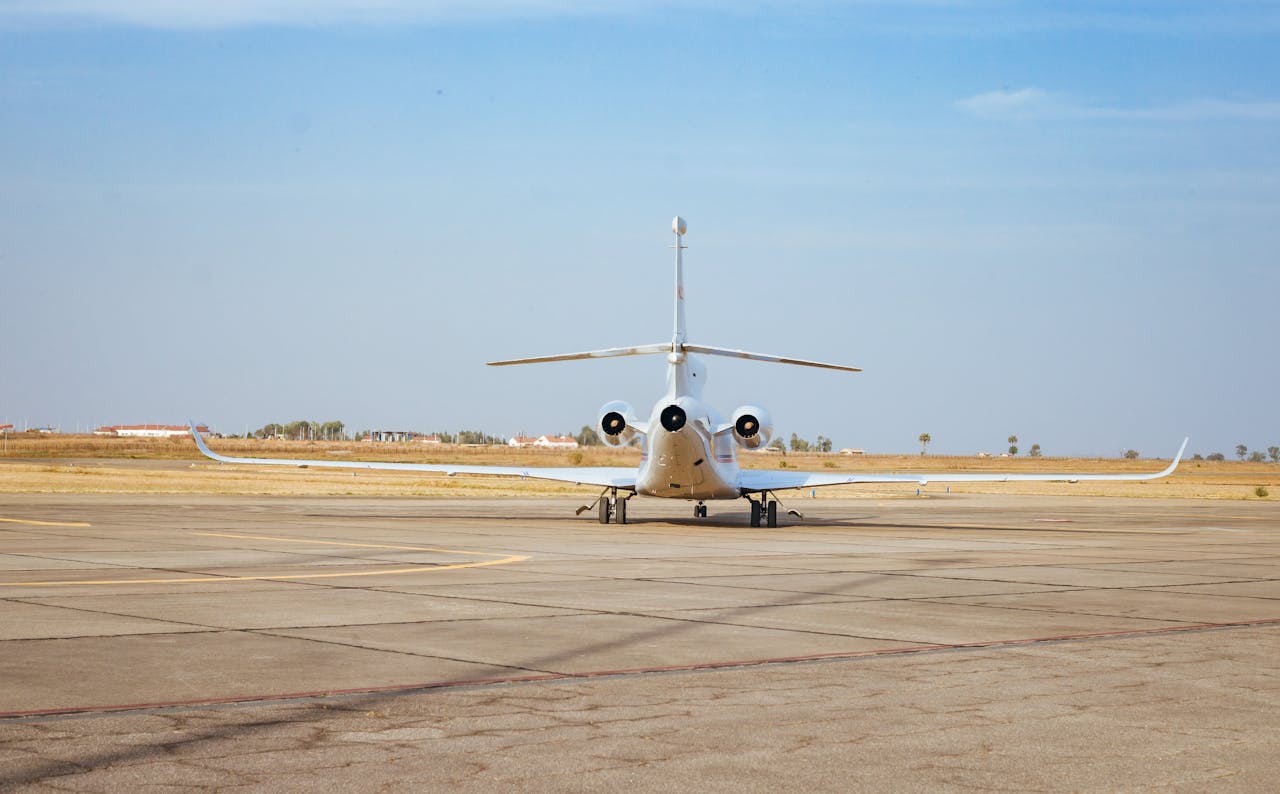
- Private jet wing: the airport operates a dedicated General Aviation Terminal for private jet operations, serving businesses, diplomats, and senior government officials.
- Luggage storage: available at the information desk.
- Wheelchair assistance: ramps, adapted restrooms, and wheelchair assistance available on request.
GETTING TO AND FROM THE AIRPORT
The airport is approximately 20km (about 35–45 minutes in normal traffic) from the Central Business District via the Airport Road (Umaru Musa Yar’Adua Expressway).
- Bolt/Uber: most reliable option. Typical fares N3,000–N6,000 from Phase 2 areas. Book in advance during morning rush hours.
- Hotel shuttles: Transcorp Hilton and other major hotels provide airport transfers for guests. Arrange in advance with your hotel.
- Private car hire: fixed-rate airport runs from transport companies cost N8,000–N15,000 depending on vehicle class.
- Abuja Light Rail: a rail station serves the airport area but the route is limited and not practical for most travellers.
- Official airport taxis: available from designated taxi ranks, agree on a fixed price before entering.
PRACTICAL TIPS
- For international flights: arrive at least 3 hours before departure. Security and immigration can be thorough and time-consuming, particularly during peak periods.
- For domestic flights: arrive at least 1.5 hours before departure.
- Confirm your terminal: domestic and international are separate, check before arriving.
- Peak traffic times: Friday afternoons and Sunday evenings are the busiest travel periods. Allow extra time on these days.
- Currency: change some naira before leaving the arrivals hall if you need cash immediately, rates inside the airport are acceptable but not always the best.
- Power banks and adapters: Nigerian power sockets are Type D (three round pins) and Type G (three rectangular pins). International travellers should bring a universal adapter.




0 Comments