

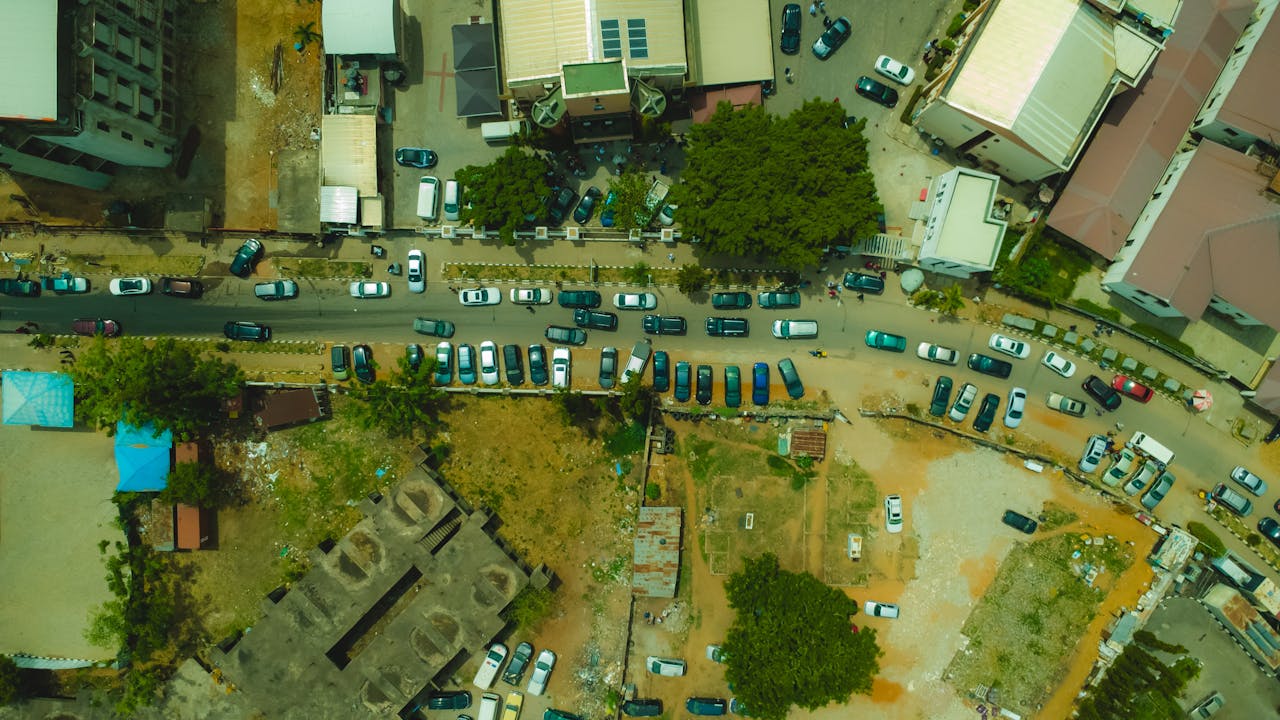
Abuja’s most expensive neighbourhoods are not just expensive, they represent a fundamentally different category of urban living in Nigeria. Embassies, the Presidential Villa, foreign diplomats, senior ministers, and the country’s wealthiest individuals are concentrated here.
Understanding what these areas cost and critically, what you actually get — is useful whether you are considering a move, making an investment decision, or simply trying to understand Abuja’s property market.
These prices reflect 2026 verified market ranges from Nigeria Property Centre, PropertyPro, and The Africanvestor’s January 2026 rental data.
1. MAITAMA — The Most Expensive Address in Abuja
Maitama is Phase 1’s crown jewel. It sits between the Central Business District and Asokoro, bounded by wide, well-maintained roads and large residential plots.
The density is deliberately low; this is a district of compound walls, mature trees, and quiet streets that contrast sharply with the city’s busier zones.
What makes it expensive:
Over 100 foreign embassies and high commissions are clustered in Maitama. Demand for residential space from diplomatic missions, NGO executives, and government officials consistently exceeds supply.
Land supply is virtually exhausted, no significant new plots are available.
Infrastructure — roads, drainage, power; is maintained to a higher standard than almost anywhere else in the city.
What you get:
Quiet, wide streets. The best road maintenance in Abuja. Proximity to Millennium Park, Transcorp Hilton, and Sheraton.
Walking-distance access to the city’s best hotels, restaurants, and supermarkets (Dunes Centre). 24/7 security presence. The most prestigious postal address in Nigeria.
2026 rent ranges:
3-bedroom flat: ₦10M–₦25M per year
Serviced duplex/detached house: ₦25M–₦50M per year
Per square meter (purchase): around ₦1.6M
Who lives here:
Ambassadors, high commissioners, senior government ministers, NNPC and CBN executives, multinational CEOs, NGO country directors.
2. ASOKORO — The Power Zone
Asokoro is referred to locally as the “Power Zone” – it sits closest to the Presidential Villa (Aso Rock) and most of Nigeria’s highest-ranking government officials maintain residences here.
Former presidents, serving ministers, senior military officials, and the country’s business elite have compounds in Asokoro.
What makes it expensive:
The proximity to the Presidential Villa creates the highest security infrastructure concentration in Nigeria. Police and military presence is permanent and visible.
The area is immaculate, compulsory compliance with building codes and cleanliness regulations. Hilly terrain provides scenic views.
What you get:
Maximum security. Proximity to the Three Arms Zone. Serene, quiet residential environment.
Aso Drive – the most prestigious street in Asokoro; is lined with the most expensive private residences in Abuja.
Asokoro Extension offers slightly lower prices while keeping the same postcode advantage.
2026 rent ranges:
3-bedroom flat: ₦8M–₦15M per year
Per square meter (purchase): around ₦250,000–₦400,000
Who lives here:
Serving and former heads of state, ministers, senior military and paramilitary officers, heads of major federal agencies.
3. WUSE 2 — The Commercial-Residential Premium
Wuse 2 is different from Maitama and Asokoro, it is not primarily a residential enclave.
It is the most commercially active district in Abuja, with Aminu Kano Crescent and Adetokunbo Ademola Crescent housing banks, embassies, restaurants, gyms, nightlife and shopping.
The residential component sits within this mixed-use context.
What makes it expensive:
Central location. Walkability, a genuine rarity in Abuja. The highest concentration of embassies outside Maitama.
All major Nigerian banks have branches here. The best restaurant and nightlife strip in the city is in Wuse 2.
What you get:
The most urban Abuja experience. Walk to work, restaurants, gyms, and supermarkets. Access to Banex Plaza (electronics, phones, jewellery), Ceddi Plaza, and multiple banks.
Per square meter it is actually the most expensive property in Abuja — around ₦2.5M per square meter for purchase — driven by commercial premium.
2026 rent ranges:
2-bedroom flat: ₦2.5M–₦6M per year
Premium serviced apartments: higher
Who lives here:
Private sector professionals, expats on corporate packages, consultants, lawyers, and bankers who value being in the commercial centre.
4. GUZAPE — The Rising Premium Alternative
Guzape is the fastest-appreciating premium district in Abuja right now. Positioned between Asokoro and the CBD, it sits on hillside terrain with scenic views.
Premium developers have targeted it aggressively and newer luxury developments here offer specification levels comparable to Maitama at significantly lower prices.
What makes it expensive:
Proximity to Asokoro and the CBD. Newer building stock than Maitama. Hillside views. Increasing high-net-worth demand as Maitama becomes fully saturated.
What you get:
Newer luxury builds. Privacy and exclusivity. Strong capital appreciation trajectory — values have risen significantly in recent years. Good road connectivity to both Phase 1 and Garki.
2026 rent ranges:
3-bedroom flat: ₦5M–₦10M per year
4-bedroom duplex: ₦10M–₦18M per year
Who lives here:
Senior private sector professionals, younger wealthy Nigerians who want premium living without Maitama’s age premium.
5. KATAMPE EXTENSION — The Diplomatic Overflow
Katampe Extension has emerged as one of the most sought-after addresses for senior professionals and diplomats who cannot secure or afford Maitama.
Hillside location, diplomatic zone proximity, good views, and a growing cluster of premium estate developments.
2026 rent ranges:
2-bedroom flat: ₦2M–₦4M per year
3-bedroom in premium estate: ₦5M–₦9M per year
Who lives here:
Senior NGO staff, corporate executives, UN agency staff, embassy support personnel.
Is the premium worth it?
For diplomats and international organisations on housing allowances — yes.
The security, proximity to embassies and reliability of infrastructure in Maitama and Asokoro are practically non-negotiable for certain roles.
For private sector professionals paying from their own salary, the value calculation is harder. Life Camp, Jabi or Katampe Extension offer genuinely good infrastructure and lifestyle at 30–70% lower rent than Phase 1 prime.
The commute difference to Phase 1 from Jabi or Katampe is often 20–30 minutes not a trivial saving in money and time over a year.
The honest summary:
You pay for security, prestige, infrastructure reliability, and address not necessarily for superior square footage or finishes, which newer Phase 2 developments often match or exceed.




0 Comments